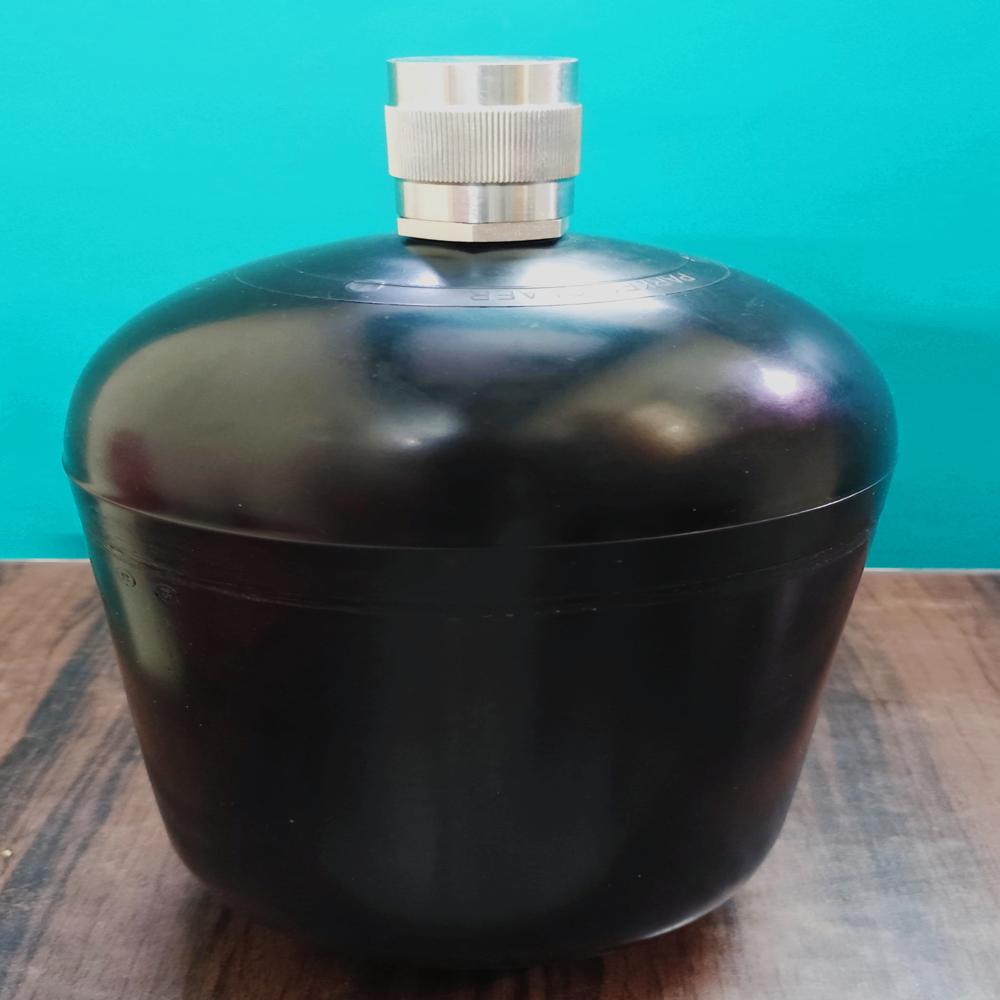
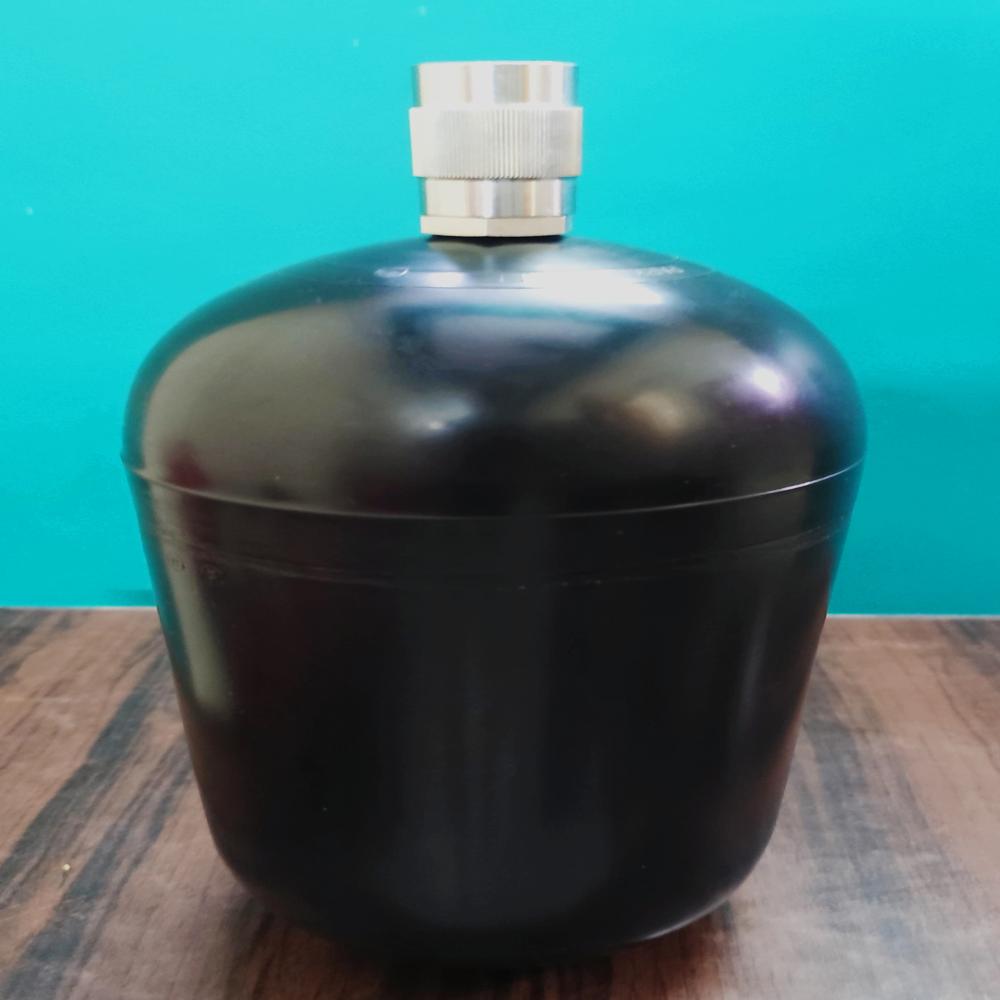
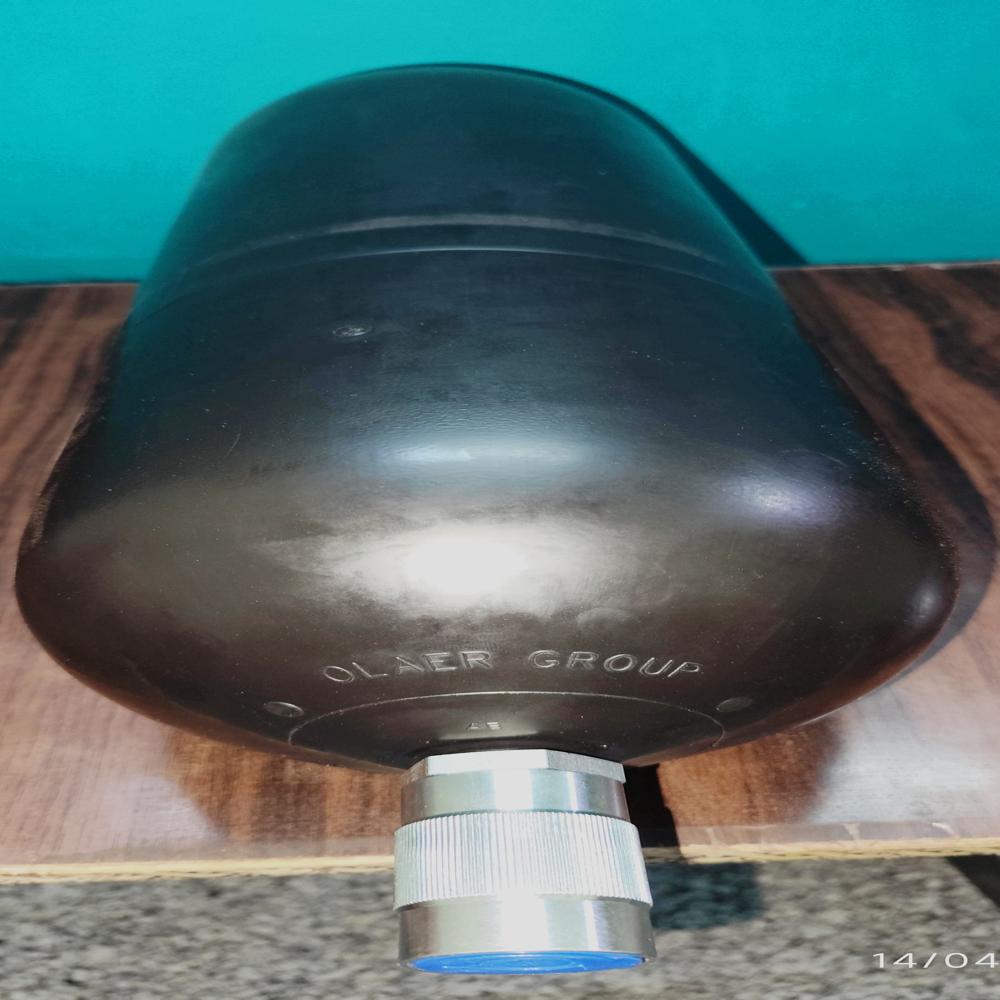
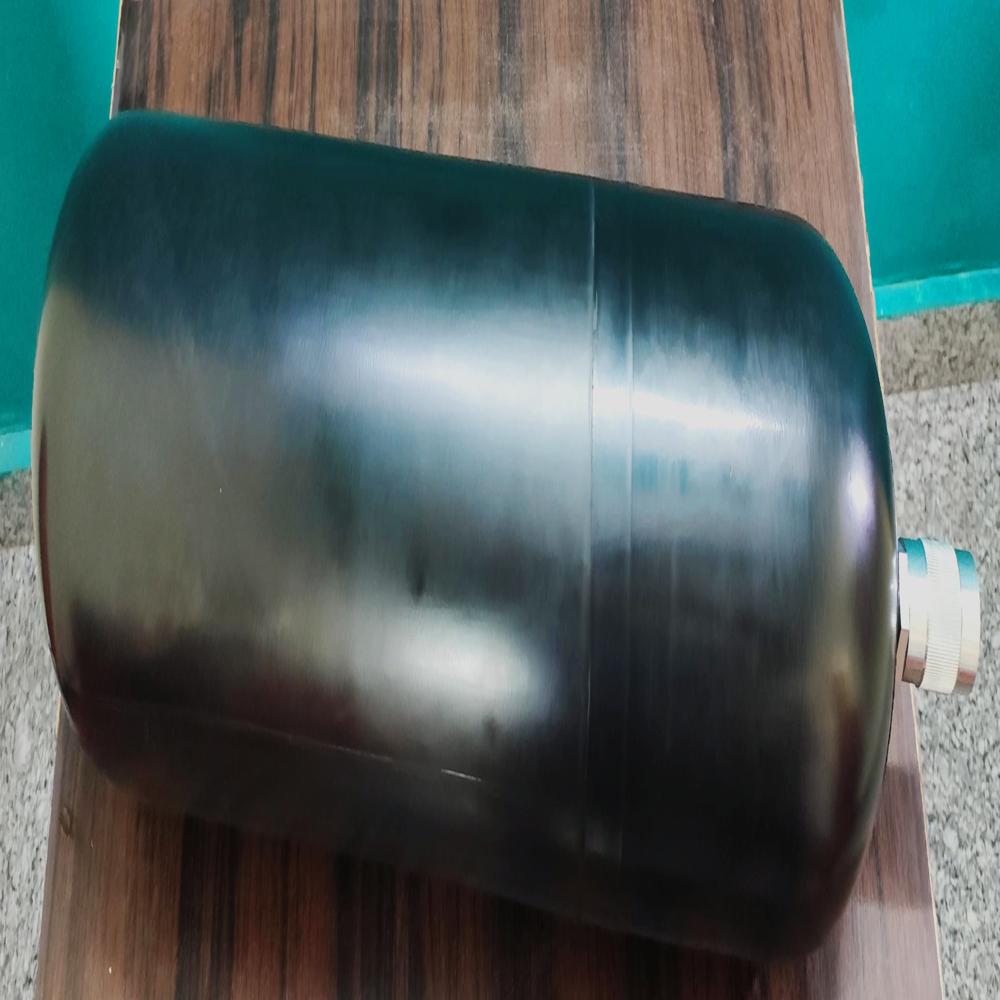
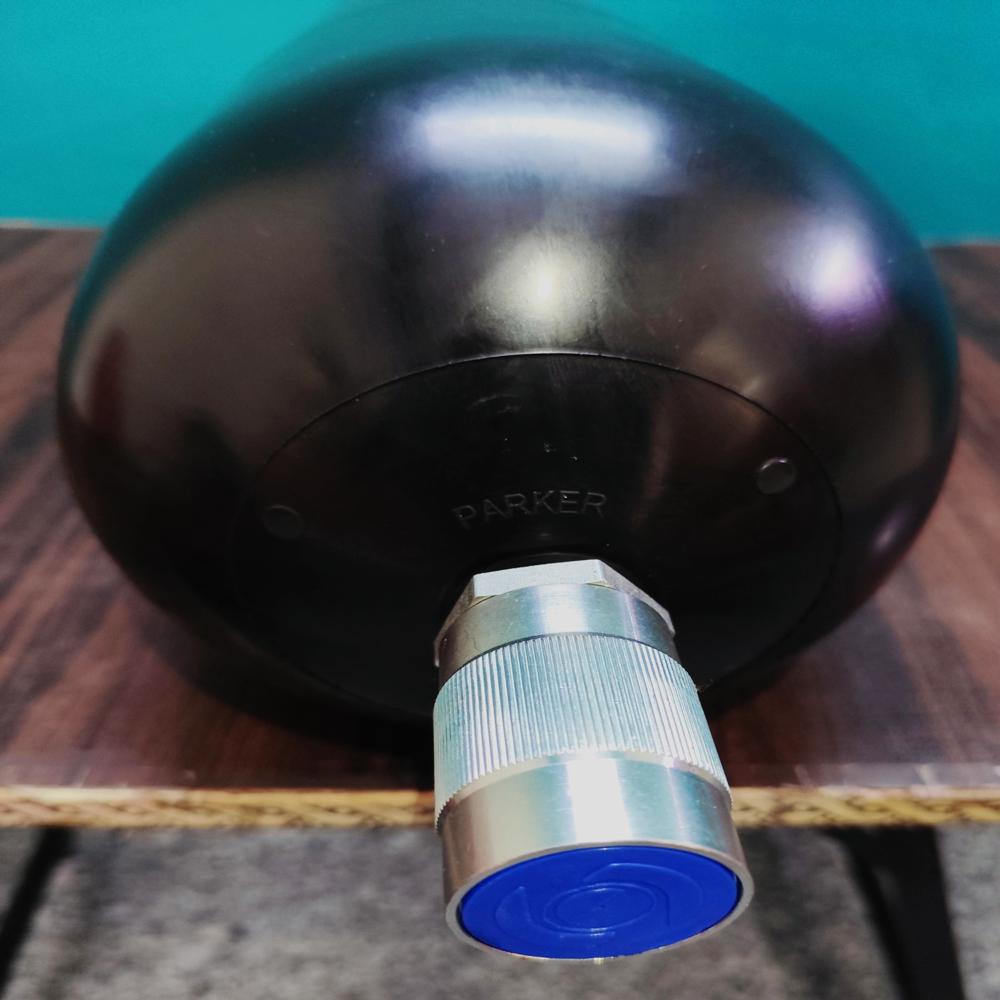
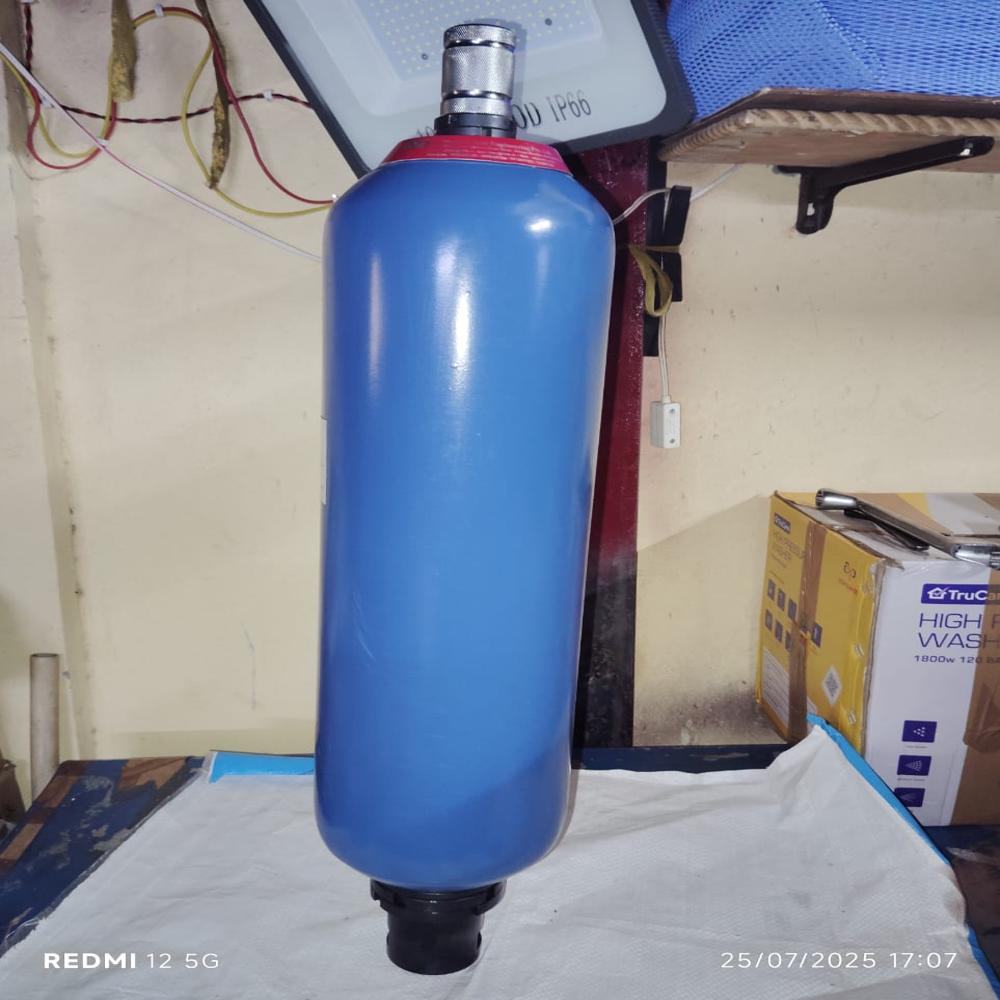
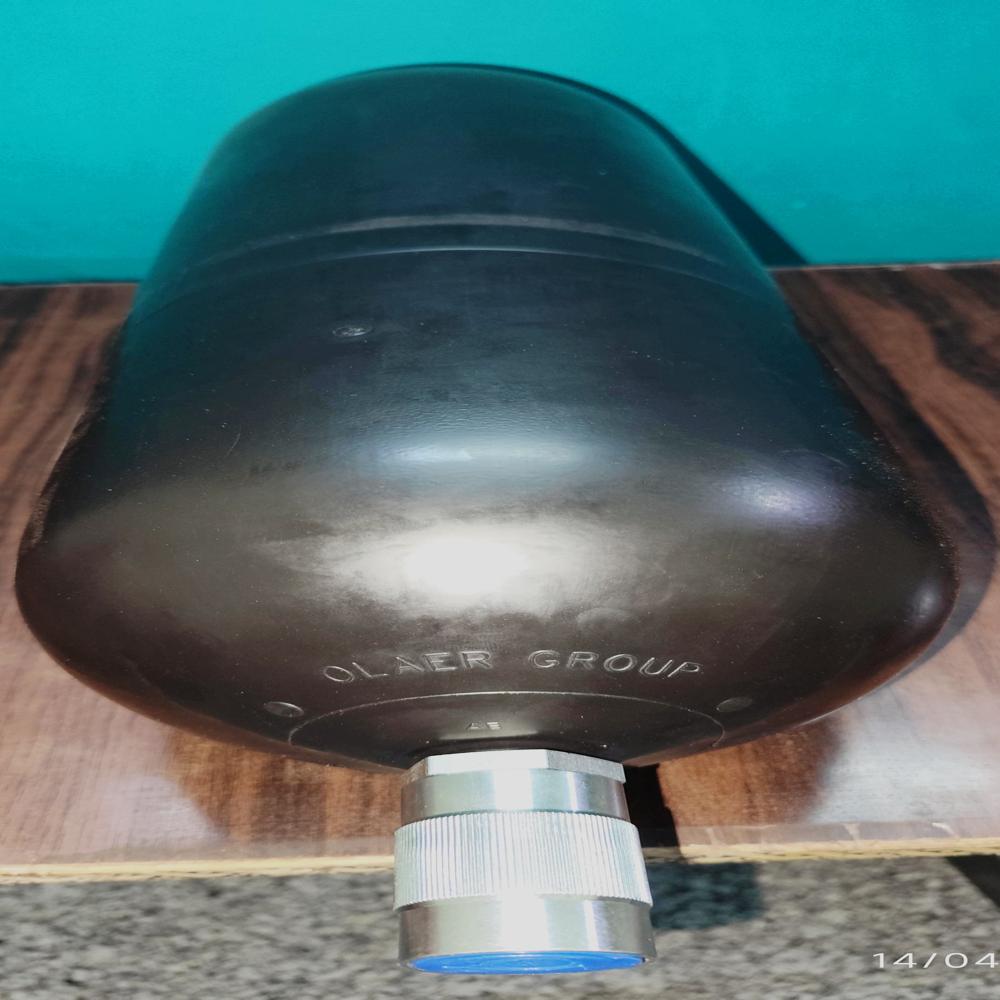
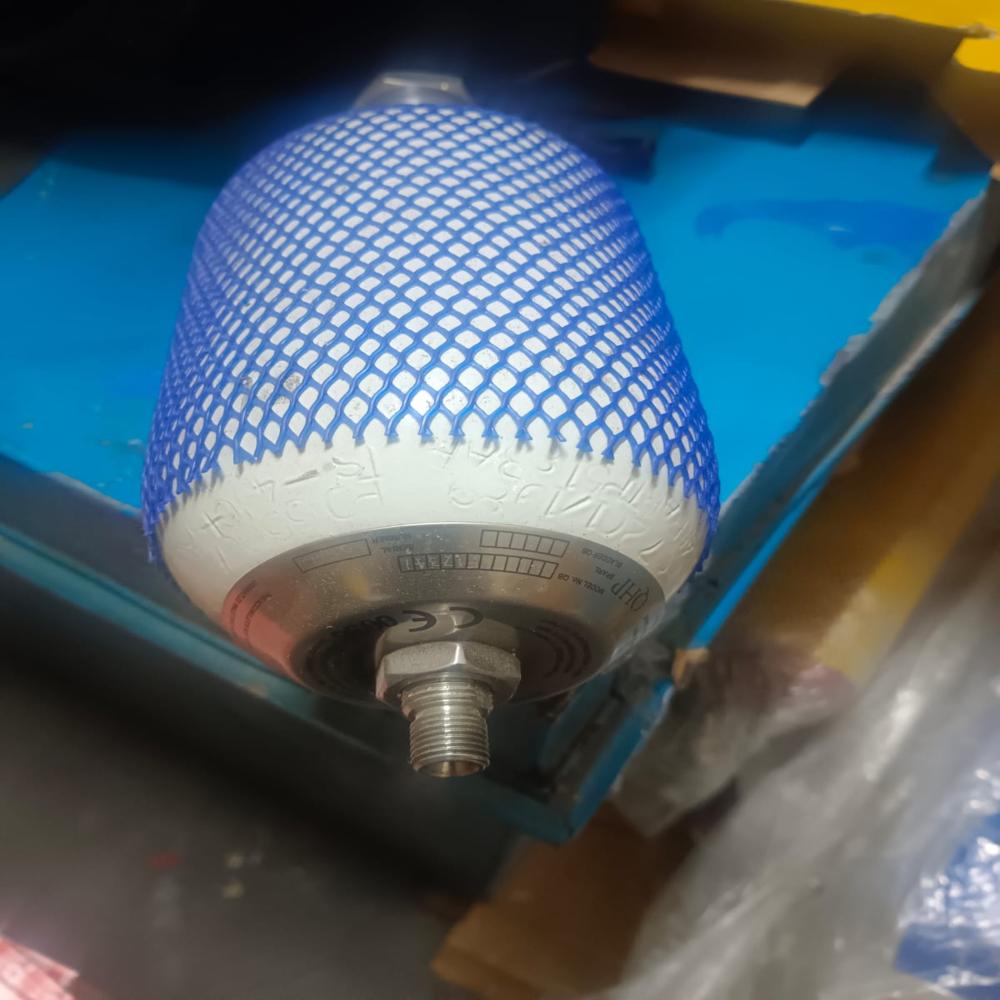
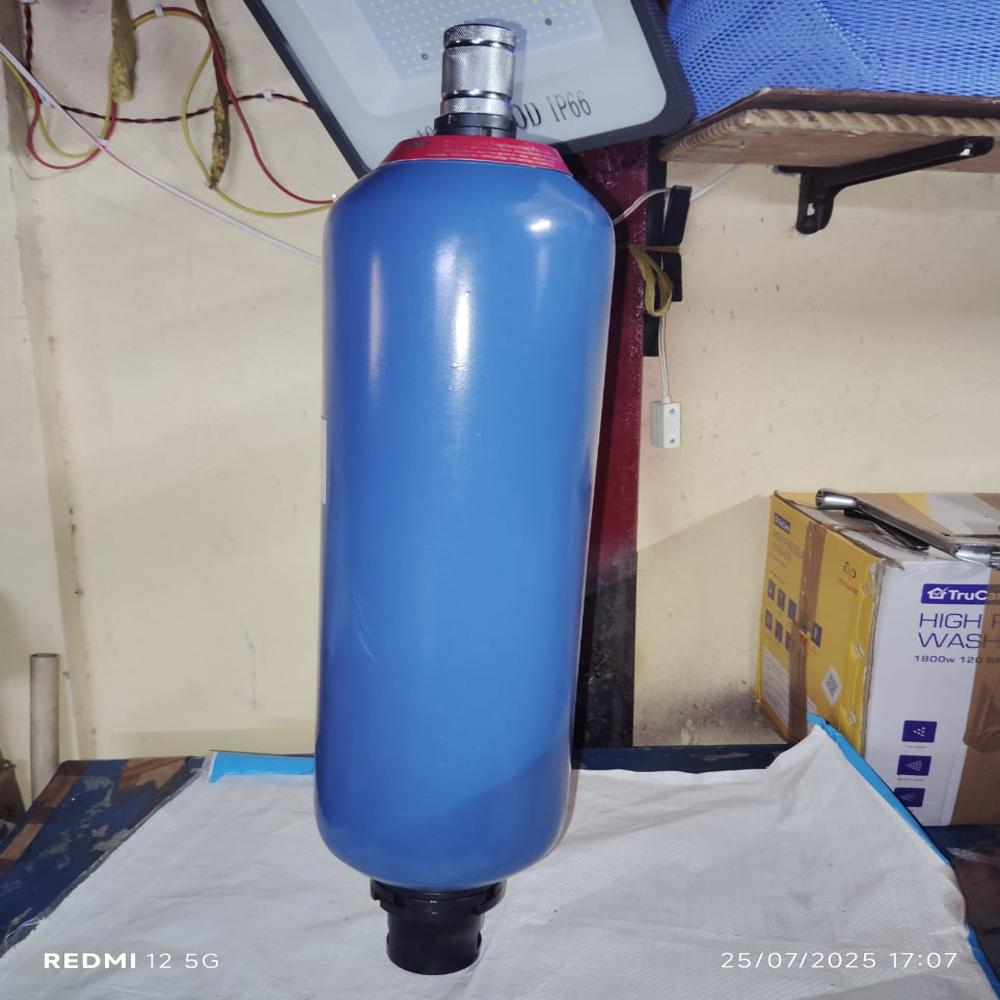
About Spare bladder
- Utilizing the compressibility of gas and non-compressibility of fluid (mainly oil), fluid energy is stored in or discharged out of the accumulator.
- Working as a separater, the bladder separates the gas from the fluid.
- The gas (Nitrogen, by all means) shall be charged in the accumulator (bladder).
- When the fluid flows in to the accumulator, the precharged nitrogen gas is compressed. And, as much as the nitrogen gas is compressed, the fluid is stored in the accumulator.
- Thus the fluid is stored in the accumulator as "fluid with energy", and the stored fluid is discharged out of the accumulator to let it do powerful job when necessary.
Robust Construction for Industrial UseDesigned with heavy-duty rubber and reinforced steel, these spare bladders offer superior strength and longevity. Their construction allows them to perform reliably in the most challenging industrial settings, meeting the demands of multiple applications where durability is crucial.
Reliable Performance and QualityEach spare bladder undergoes rigorous quality control to assure top-grade performance. The premium materials and experienced manufacturing processes ensure that the bladders maintain their integrity and effectiveness over time, making them a dependable choice for industrial operations.
FAQ's of Spare bladder:
Q: How are spare bladders used in industrial applications?
A: Spare bladders are primarily used to store and regulate fluids under pressure within hydraulic systems. They act as accumulators or dampeners, improving system efficiency and reducing shock during operation.
Q: What materials are spare bladders made from and why?
A: Our spare bladders are made from high-quality rubber and steel, providing exceptional elasticity, strength, and resistance to wear. This combination ensures effective performance and long-lasting service in demanding industrial environments.
Q: When should a spare bladder be replaced in a hydraulic system?
A: A spare bladder should be replaced whenever there is evidence of wear, leakage, or compromised performance. Regular inspections are recommended to detect potential issues before they impact operations.
Q: Where can I use these spare bladders?
A: These spare bladders are suitable for various industrial applications that require hydraulic force, such as manufacturing plants, machinery operations, and heavy equipment maintenance.
Q: What is the process for installing a spare bladder?
A: Installation typically involves depressurizing the system, removing the old bladder, and securely fitting the new spare bladder in place. Ensure compatibility with your equipment and follow all safety procedures outlined by the manufacturer.
Q: What benefits do rubber and steel construction provide for spare bladders?
A: The combination of rubber and steel offers high durability, pressure tolerance, and flexibility, allowing these bladders to perform efficiently under challenging industrial conditions while extending service life.






 Send Inquiry


