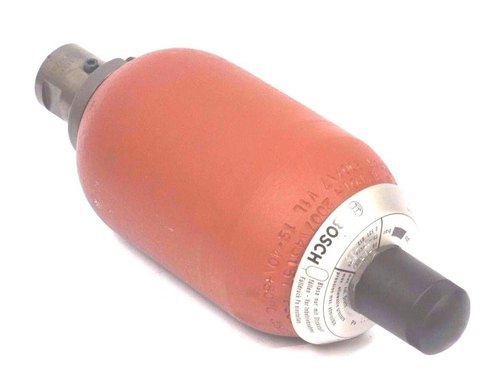
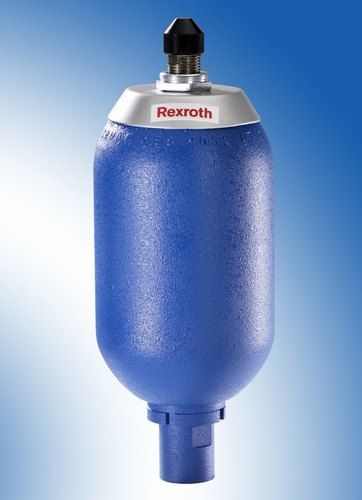
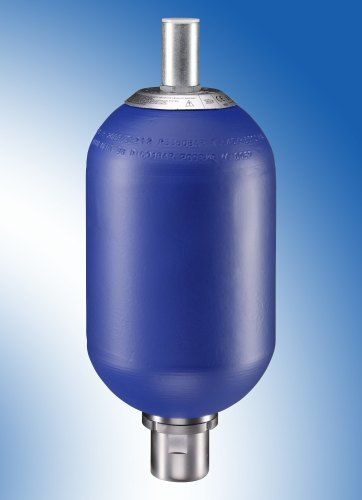
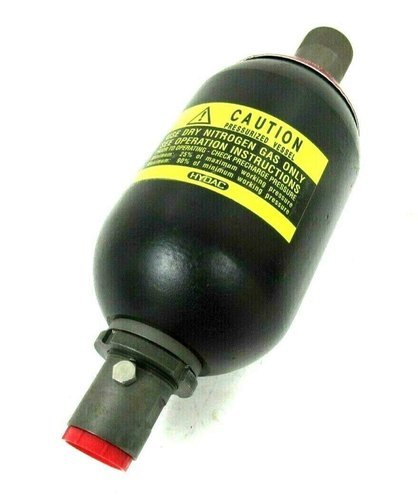
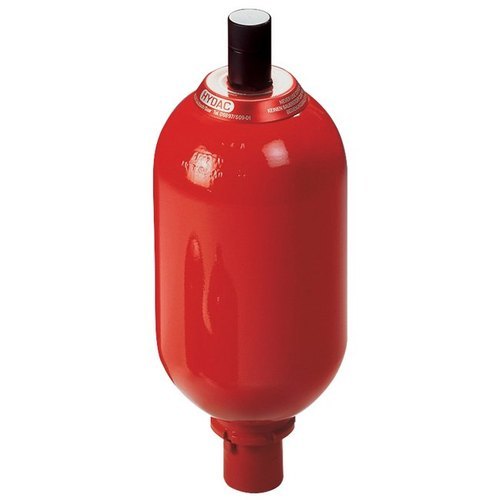
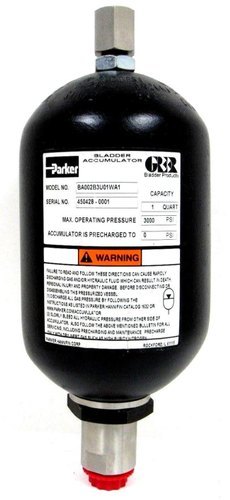
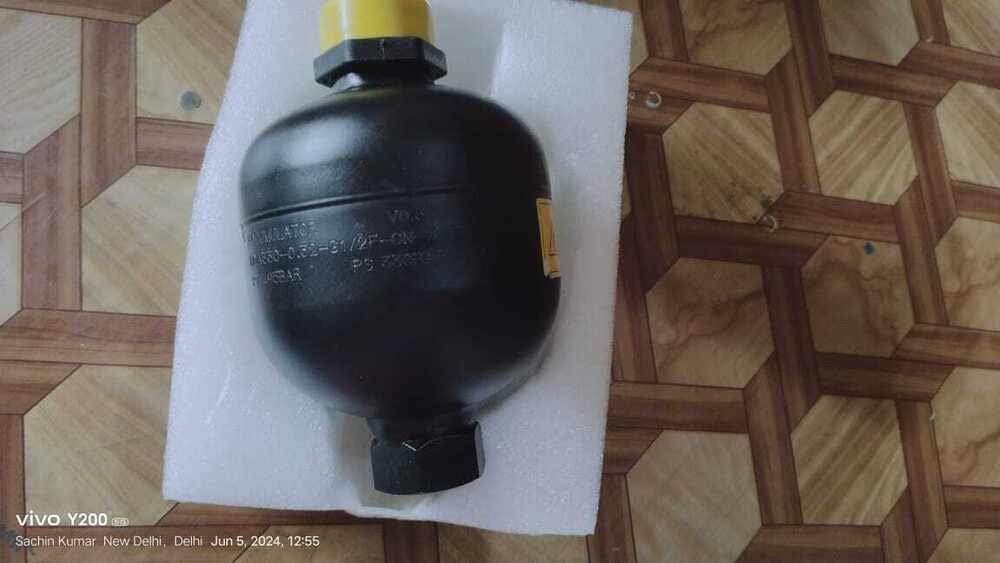
Hydraulic Bladder Accumulator About
Product Specification
|
Usage/Application
|
Hydraulic Application
|
|
Body Material
|
Stainless Steel / CS
|
|
Bladder Material
|
Nitrile(NBR) / Butyl / Neoprene
|
|
Design
|
Fabricated Shell
|
|
Maximum Pressure (PS)
|
360 Bar
|
|
Test Pressure (PT)
|
1.43 x PS
|
|
Temperature Range
|
+80 Degree C
|
|
Allowable Pre.ratio
|
4:1
|
|
Nominal Capacity
|
1 Liter to 100 Liter
|
Superior Shock Absorption and Pulsation DampingOur hydraulic bladder accumulators excel at reducing pressure spikes and fluid pulsations, protecting sensitive machinery and extending system life. Their high response efficiency and minimal pressure loss ensure excellent performance under rapid hydraulic cycling. Combined with durable construction and a compact design, they are an ideal choice for both new installations and system upgrades.
Adaptable to Diverse Hydraulic Mediums and ConditionsChoose from bladders made of NBR, Buna-N, or FKM to match your system's hydraulic fluid and operating temperature range. Our accumulators are available with a corrosion-resistant coating and a selection of capacities, suiting everything from mobile machinery to industrial presses. Various mounting and connection options enable easy integration into any hydraulic setup.
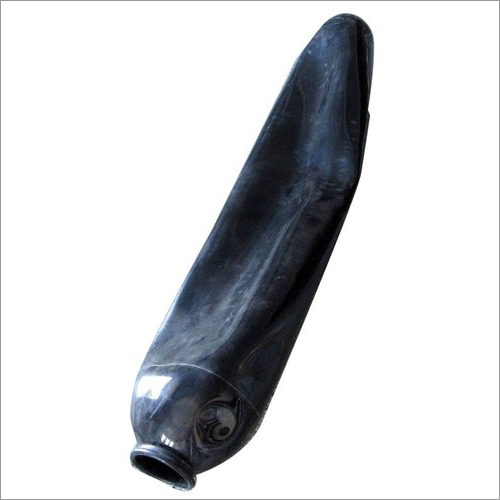
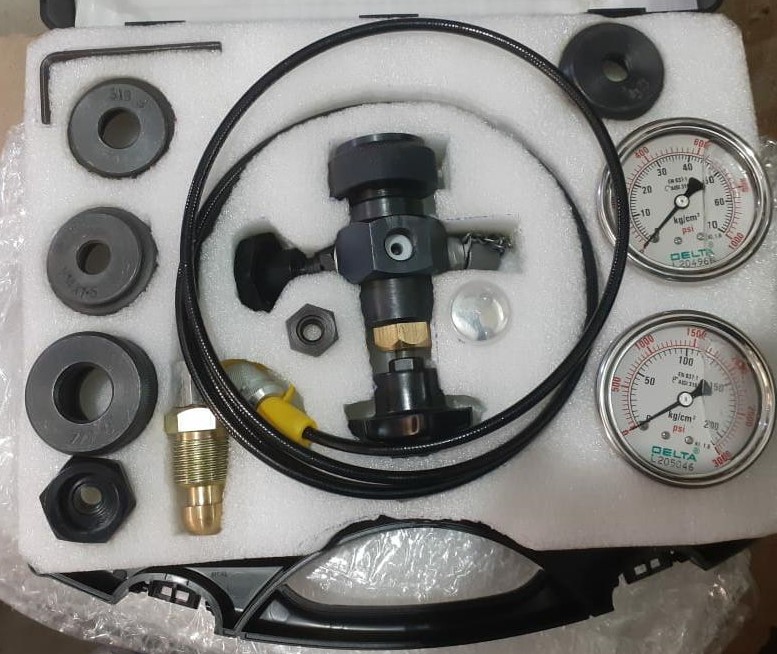
Easy Maintenance and ServiceabilityA key feature is the replaceable bladder, which allows quick maintenance and minimizes costly downtime. Standard accessories include a charging valve, pressure gauge, and mounting clamps, simplifying both installation and ongoing service. The robust steel or composite vessel construction withstands demanding worksite and operating conditions.
FAQ's of Hydraulic Bladder Accumulator:
Q: How do I select the correct bladder material for my hydraulic accumulator?
A: The choice of bladder material (NBR, Buna-N, or FKM) depends on the type of hydraulic fluid used and the application's temperature range. NBR works well with standard hydraulic oils and temperatures from -20C to +80C, while FKM is recommended for aggressive fluids or higher temperatures.
Q: What is the typical process to service or replace the bladder in these accumulators?
A: To replace the bladder, first depressurize and remove the accumulator from the system. Then, unbolt the top cap, extract the old bladder, and insert a new one. Reassemble with proper seals (O-Ring, NBR, or FKM), re-pressurize with nitrogen, and reinstall. Always follow manufacturer safety protocols.
Q: Where can these hydraulic bladder accumulators be mounted in my system?
A: These accumulators can be installed in either vertical or horizontal positions, depending on the system design and available space. Threaded port and flanged connection options allow flexible integration into a wide variety of hydraulic circuits.
Q: When should I check or replenish the nitrogen gas precharge?
A: Check the nitrogen gas precharge periodically per the manufacturer's guidelines or if you notice reduced accumulator performance. Use a pressure gauge through the charging valve, and replenish with nitrogen, as required, to maintain optimal system operation.
Q: What are the main benefits of using these bladder accumulators in hydraulic applications?
A: Bladder accumulators provide rapid response to pressure changes, effective shock absorption, energy storage, leakage compensation, and pulsation damping. This improves system stability, protects equipment components, and enhances overall hydraulic efficiency.
Q: How does the corrosion-resistant coating improve the durability of the accumulator?
A: A corrosion-resistant coating protects the steel or composite body from harsh operating environments, such as exposure to moisture, chemicals, or salt, prolonging the lifespan of the accumulator and reducing maintenance costs.





 Send Inquiry

